A jewelry tool kit can be a useful way to bring together tools for a particular task. The important question is whether its actual contents match your work. Start with the project, then compare each component against what you already own.
Start with one task
Measuring a ring, bending wire, holding parts for soldering and polishing a surface involve different tool choices. Write down the job you want to complete. A kit described broadly as a jewelry-making set is not automatically a complete setup for every process.
For a measuring task, focus on the scales and tool types. For forming, compare working dimensions, contact surfaces and the intended materials. For a soldering support kit, check which holders and blocks are included and what additional equipment the task requires.
Read the contents
Use the included-items list as the basis of your comparison. Separate tools, accessories, consumables and storage pieces. A high piece count can include repeated consumables or small components rather than a wider range of tools.
Photos help identify the supplied items, but workpieces, display props and separately shown equipment should not be assumed to be part of the purchase. If the photo and written list appear inconsistent, ask before ordering.
| Question | What to compare |
|---|---|
| What will I do? | The task the kit is described for |
| What is supplied? | The named components and quantities |
| Will it fit my work? | Scales, dimensions, jaw shapes or interfaces |
| What else is required? | Supporting tools, equipment or materials listed separately |
Compare specifications
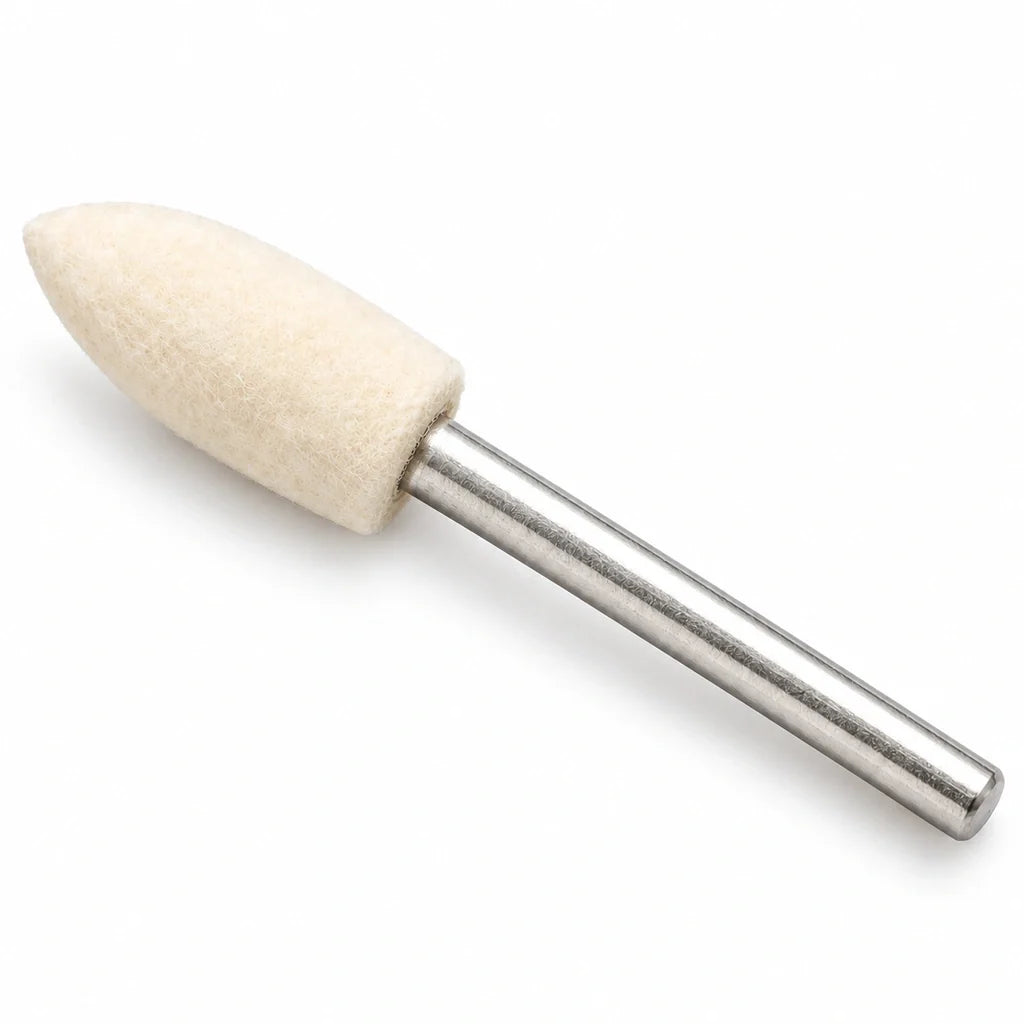
Check the details that affect your project. A ring gauge needs the appropriate scale and range. A forming tool needs suitable working dimensions. A mounted accessory needs a compatible shank and holder. The title alone may not contain these details.
Where a listing has multiple configurations, check the selected option as well as the main description. Different colors, pack quantities or component combinations should not be interpreted as identical kits without reviewing their contents.
Avoid unnecessary overlap
Make a short inventory of your current tools. You may need a single missing component rather than another complete set. Conversely, a coordinated kit may help when several listed components match one specific project.
Compare similar kits by their component lists, not just their names or prices. Two ring-related kits can contain different measuring, forming and finishing tools. Keep those differences visible in your decision.
Resolve missing information
Send the product name or SKU and your intended task when asking for advice. Mention any equipment or tools that the kit must work with. For an existing purchase, include the order number.
Before checking out, review the selected configuration, delivery information and return conditions. Keep the product's instructions for setup, operation and care.